After School Snack: A Nostalgic Creative Spark for Modern Makers
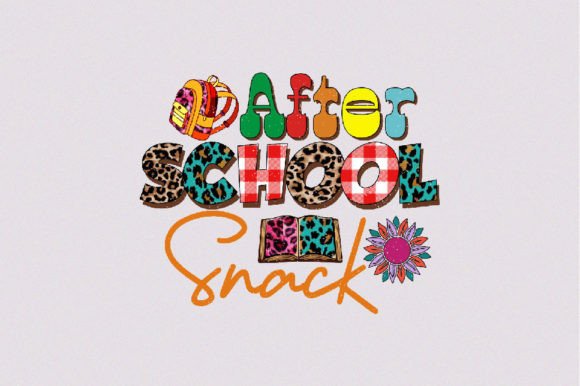
There’s something quietly powerful about the phrase After School Snack—it evokes warmth, routine, and a small but meaningful pause in the day. For today’s creators, educators, small business owners, and DIY enthusiasts, it’s more than a memory—it’s a design motif with surprising versatility and emotional resonance. The Retro Back to School Sublimation Design PNG collection leans into that feeling intentionally: hand-drawn illustrations transformed into crisp, production-ready digital assets. Each design carries the charm of chalkboards, lunchboxes, and vintage classroom posters—but built for real-world use in 2024 and beyond.
Why “After School Snack” Resonates Beyond Nostalgia
This isn’t just about candy bars and juice boxes. After School Snack taps into a broader cultural shift toward intentional micro-moments—small rituals that ground us amid busy schedules. Adults who grew up in the ’80s and ’90s now run Etsy shops, design school spirit merchandise, or create themed learning materials for their classrooms. They recognize that retro aesthetics aren’t just decorative; they’re emotionally accessible. A well-placed doodle of a smiling apple or a retro soda can doesn’t just look fun—it signals approachability, warmth, and authenticity.
That emotional shorthand matters. In an age where attention is fragmented and branding fatigue is real, nostalgic cues help messages land faster. A teacher designing a behavior chart with After School Snack-inspired icons doesn’t need to explain the tone—the visuals do the work. A small-batch apparel brand launching a limited “Back to Basics” T-shirt line uses the same logic: familiar shapes, friendly lines, zero pretense.
How Hand-Drawn Meets High-Resolution Reality
The collection was created by hand first—a deliberate choice. Sketching on paper adds subtle texture, variation, and human rhythm that AI-generated art often lacks. Then, each illustration was carefully digitized and refined to ensure clean edges, consistent line weight, and full scalability. What you receive isn’t a scan or a rushed conversion. It’s a 300 DPI high-resolution PNG file, plus individual transparent-background PNGs—all organized in one ZIP folder.
This workflow reflects how professional creatives actually work today: analog ideation paired with digital precision. You might sketch layout ideas on a tablet or napkin, then drop these assets straight into Canva, Adobe Illustrator, or Cricut Design Space. No clipping masks needed. No background removal headaches. Just drag, resize, layer—and go.
Real Applications Across Real Workflows
Consider how this plays out across different roles:
- Educators use the designs to build printable reward tags, classroom banners, or themed reading logs—no graphic design degree required.
- Small business owners (especially those selling sublimated tumblers, tote bags, or custom stationery) apply them directly to blanks using heat presses—no color separation or underbase prep needed thanks to the transparent backgrounds.
- Bloggers and content creators integrate elements into Pinterest pins, email headers, or downloadable planners—adding visual cohesion without sacrificing load speed (PNGs stay lightweight when optimized).
- Freelance designers treat the files as modular building blocks—mixing snack-themed icons with original typography or client photos to craft unique packaging or social media kits.
What makes this especially practical is flexibility. That single apple icon? It works on a kindergarten invitation, a wellness coach’s habit tracker, or a boutique coffee roaster’s “Study Break Blend” label. Context gives it meaning—not rigid categorization.
Trends Supporting This Kind of Design Work
Three quiet but significant shifts are making collections like this more valuable than ever:
- The rise of hybrid creation tools: Platforms like Cricut, Silhouette Studio, and even newer AI-assisted design apps prioritize easy asset import. Transparent PNGs slot in seamlessly—no extra steps, no compatibility worries.
- Growing demand for “authentic” visual language: Consumers increasingly distrust overly polished, algorithmically generated imagery. Hand-drawn elements signal care, craft, and intentionality—even when used digitally.
- Time scarcity among solopreneurs: Most users aren’t full-time designers. They’re teachers juggling lesson plans, makers managing inventory, or marketers running multi-channel campaigns. Ready-to-use, trend-aware assets save hours—not just on execution, but on decision fatigue.
None of this means outsourcing creativity. It means removing friction so people can focus on what they do best: connecting, teaching, selling, storytelling.
Sublimation, Print, and Beyond: Why Format Matters
Sublimation printing has moved far beyond novelty mugs. It’s now a core production method for small-batch apparel, promotional items, and personalized gifts—especially among home-based entrepreneurs. But not all PNGs work equally well for sublimation. Many free downloads lack sufficient resolution, contain embedded backgrounds, or use RGB profiles that shift unpredictably on polyester fabric.
This collection avoids those pitfalls. The 300 DPI resolution ensures sharpness at common print sizes—from 4x6 inch tags to full-front shirt graphics. The transparent backgrounds eliminate unwanted white halos around icons during heat transfer. And because each element is isolated, you can recolor individual pieces in your editing software to match brand palettes—no redrawing required.
But sublimation isn’t the only path. These files perform just as well in offset printing for greeting cards, digital scrapbooking layouts, SVG conversion for vinyl cutting, or even as layered elements in Notion dashboard templates. The format supports iteration—not just one-time use.
A Practical Note on Licensing and Longevity
These designs come with commercial-use rights—meaning you can sell products featuring them, whether that’s physical goods, digital downloads, or client projects. There’s no subscription, no attribution requirement, and no limit on units sold. That predictability matters when planning seasonal launches (think: August “Back to School” campaigns or September “Return to Routines” content series).
More importantly, the retro aesthetic here avoids narrow time-binding. It’s not tied to a single year or fad—it draws from decades of shared visual language. That means your 2025 planner cover won’t feel dated in 2026. Your sublimated lunchbox design won’t clash with next year’s curriculum themes. Thoughtful design longevity reduces the need for constant rebranding or asset replacement.
Getting Started Without Overcomplicating It
You don’t need a full creative suite to begin. Try one of these low-barrier entry points:
- Open the ZIP file, drag a favorite icon into Canva, and place it on a blank postcard template—add your own text for a custom thank-you card.
- Import a PNG into Cricut Design Space, resize to fit a tumbler wrap, and send it straight to your printer-sublimation combo machine.
- Use the high-res file as a watermark overlay on blog images—subtle, thematic, and brand-consistent.
Start small. Test one application. See how your audience responds—not to the design alone, but to the feeling it helps convey: grounded, warm, unhurried. That’s the quiet strength of After School Snack done right.