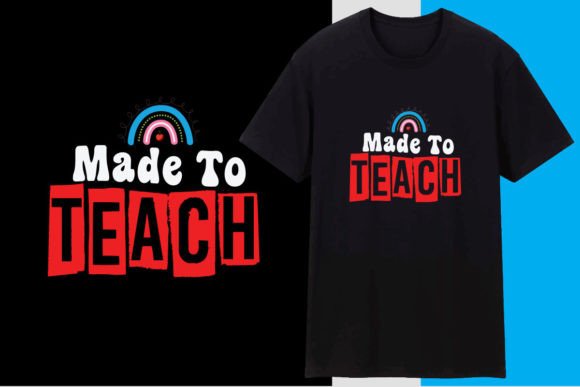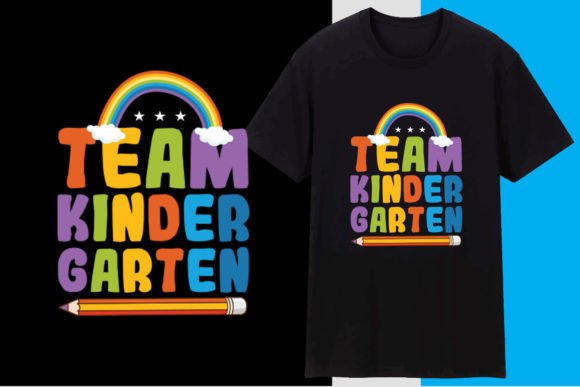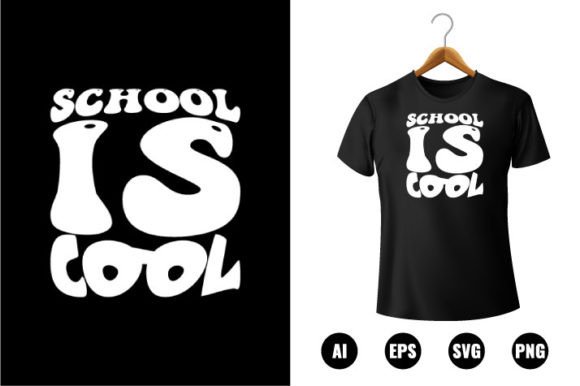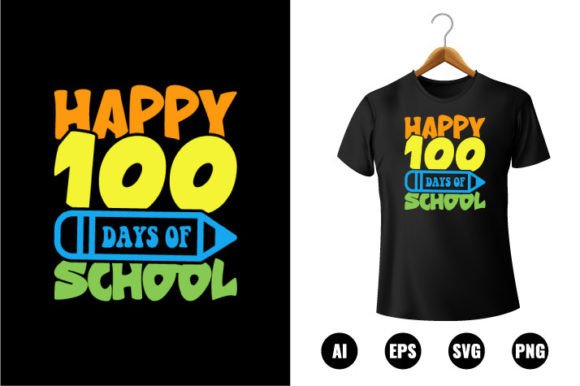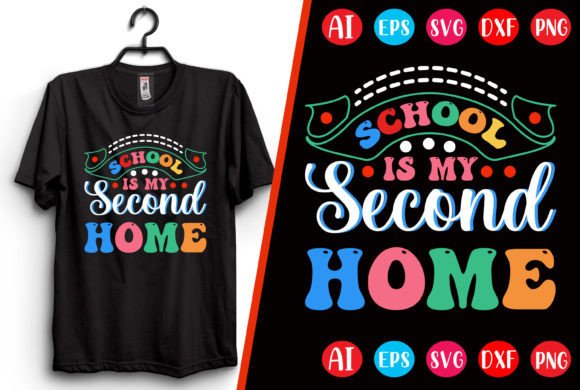
School Is My Second Home T-Shirt Design
“School Is My Second Home” isn’t just a slogan—it’s a quiet affirmation of belonging, dedication, and community. This t-shirt design captures that sentiment with clean typography, balanced spacing, and intentional visual warmth—making it instantly relatable for educators, students, staff, and supporters alike. Designed for real-world use—not just display—it’s built to scale across apparel, classroom materials, school spirit campaigns, and small business merch lines.
What Makes This Design Stand Out?
Unlike generic back-to-school graphics, this design balances emotional resonance with practical flexibility. It avoids overused clipart or cartoonish elements in favor of refined, print-ready clarity. The 4500×5400 pixel resolution ensures crisp output on everything from toddler tees to large-format banners. More importantly, the layered vector files (AI, EPS, SVG, DXF) let you adjust layout, reposition text, or isolate elements without quality loss—no pixelation, no guesswork.
The RGB color mode supports screen previews and digital mockups, while the included transparent PNG gives immediate visual context—even without a full mockup file. You’re not just downloading art—you’re getting a production-ready toolkit.
Creative Possibilities Beyond the T-Shirt
This design works because it’s adaptable—not fixed. Here’s how different users are already applying it:
- Educators & School Teams: Print it on staff polo shirts for orientation week, pair it with custom name tags, or adapt the phrase into “Library Is My Second Home” or “Lab Is My Second Home” using the editable layers.
- Small Business Owners: Local bookstores, tutoring centers, or after-school programs use it on aprons, tote bags, or window decals—reinforcing shared values without needing original illustration work.
- Freelance Designers: Clients often need quick, emotionally grounded assets for school-related launches. This design serves as a strong base layer—swap fonts, add institutional colors, or integrate logos—all within minutes.
- Bloggers & Content Creators: Use the transparent PNG in social posts, email headers, or printable classroom resources. No attribution required—just consistent, respectful branding.
How to Adapt It Thoughtfully
Modifying doesn’t mean compromising clarity. Start by asking: Who sees this, and where? A kindergarten teacher handing out shirts needs legibility at arm’s length; a district communications team adding it to a newsletter banner needs scalability at thumbnail size.
Here’s what works:
- Color changes should serve function first. Swap navy for school blue, maroon for district red—but keep contrast high. Test your new palette against white and black fabric swatches before bulk printing.
- Typography tweaks matter more than you think. The included AI file lets you swap typefaces easily—but avoid overly decorative fonts if readability across age groups is key. Sans-serif options like Montserrat or Poppins maintain warmth without sacrificing clarity.
- Context shapes composition. For embroidery, simplify to one color and reduce fine details. For vinyl cutters, use the DXF file and verify stroke widths meet minimum cut-line requirements (usually ≥1pt).
Real Projects, Real Results
A homeschool co-op in Austin printed the design on unisex crewnecks for their annual “Learning Together” summit—adding embroidered initials on the sleeve for personalization. They used the SVG file to generate QR codes linking to parent resource pages, embedded directly into the shirt tag label.
A graphic designer in Portland licensed the file for a public library’s summer reading program. She kept the core phrase intact but added subtle line-art icons (an open book, a lightbulb, a handshake) using the transparent PNG as a base layer—then exported fresh SVGs for each branch’s promotional posters.
Neither project started from scratch. Both prioritized authenticity over novelty—and got there faster because the foundation was solid, flexible, and ethically sourced.
Why “Print Ready” Means More Than Resolution
A true print-ready file includes technical readiness *and* creative intention. This design delivers both:
- No hidden raster layers—every element remains fully editable in vector format.
- No embedded fonts—text is outlined or paired with common system alternatives, preventing substitution errors.
- No bleed or safety margin assumptions—you control placement based on your printer’s specs, not preset limitations.
- No licensing surprises—use it commercially, modify it freely, share derivatives with your team. No attribution needed, no usage caps.
That level of control means fewer revisions, less back-and-forth with vendors, and more time spent on what matters: connecting, teaching, building, and sharing ideas.
Getting Started Is Simple—But Intentional
Download the ZIP folder. Open the AI file in Illustrator to explore layers. Try changing one color using the Swatches panel. Export a test PNG at 300 DPI and hold it up beside a printed sample shirt. Notice how the spacing holds, how the weight feels balanced, how the message lands—not as decoration, but as recognition.
You don’t need design experience to begin. You do need clarity about your audience and purpose—and this file respects both. Whether you’re outfitting a classroom, launching a micro-brand, or supporting a student-led initiative, “School Is My Second Home” becomes what you need it to be—without losing its grounding.
It’s not about fitting in. It’s about showing up—with intention, consistency, and care. And now, you have the tools to do exactly that.